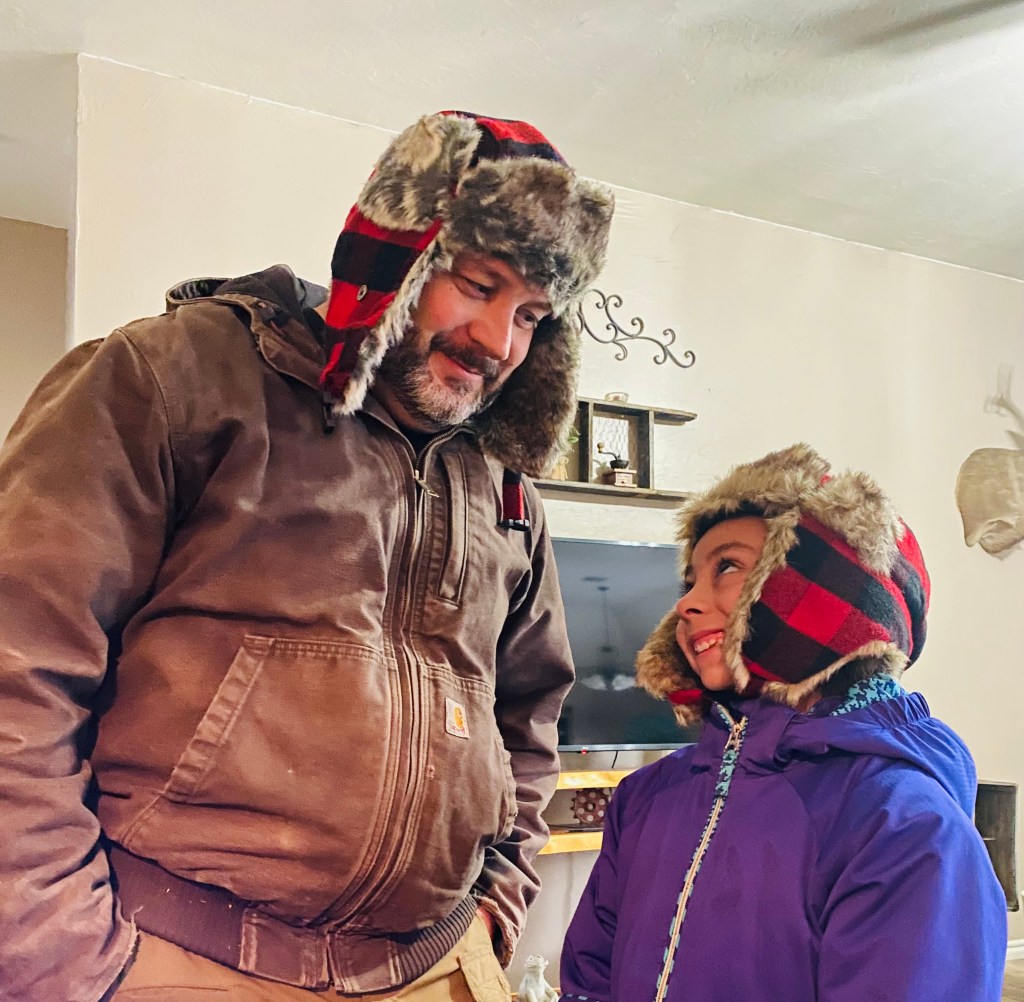
Fatherhood isn’t always what you pictured.
For dads raising a child with Reactive Attachment Disorder (RAD), it can look nothing like the movies. There’s rejection. Silence. Rage. Sometimes love isn’t returned the way you hope.
But there’s also a quiet strength. A steady presence. A commitment to show up—again and again—even when it hurts.
Even when it feels like you’re failing.
This Father’s Day, I sat down with my husband, Brett. He’s living this story. It’s not perfect. It’s not wrapped in a bow. But it’s real. And that’s why it matters.
Carissa: Can you share a bit about your journey into fatherhood and adoption? What made you want to adopt?
Brett: You had expressed early on in our marriage that you wanted to adopt a little Hispanic girl. I didn’t really see myself as ever being a father. But when Bella was introduced to us, it just felt right. We had fostered several other children, and when they returned to their biological parents, it was tough. We wanted a child to call our own—to complete our family.
Carissa: RAD throws a lot of unexpected challenges into parenting. What’s one of the hardest things about being a dad to a child with RAD that you wish people understood?
Brett: That it doesn’t matter what plans we make—they’ll probably be canceled. Rages can come out of nowhere. It’s hard to always feel like we’re letting people down by not being able to show up to things. People don’t see that we’re constantly navigating unpredictable behavior and emotional chaos.
Carissa: Have there been moments when you’ve felt helpless or like giving up?
Brett: So many. During the hours upon hours of screaming… nothing helps. It’s hard not to get sucked into it, to lose control myself. But having a strong partner who can step in—who knows when I need a break—has been everything. That’s what gets me through those times.
Carissa: Grief shows up in all kinds of ways for us. How do you handle the grief that comes with unmet expectations of what fatherhood “should” look like?
“I pictured softball games and gymnastic meets… but I’ve learned to look for the little things that make our father-daughter relationship special.”
— Brett
Brett: I pictured softball games. Gymnastics meets. Those were the dreams—and they didn’t happen. But I’ve learned to look for the little things that are still ours. When she asks to play a board game with me. When she quietly reaches out to hold my hand walking into a store. That’s where the connection lives now.
Carissa: Let’s talk about marriage. RAD changes the whole dynamic. How has it affected ours?
Brett: It’s taken a toll. No doubt. Just like in any marriage—but especially in this kind—communication is key. When we’re exhausted, when we’ve been dealing with a rage for hours, we have to work hard not to turn on each other. We try to stay on the same page, keep the lines open, and talk about more than just RAD when we can. Even if it’s just for ten minutes.
Carissa: What would you say to other dads who feel pushed to the sidelines or rejected by their child?
“When your child pushes you away, it’s not about you. It’s fear.”
— Brett
Brett: Don’t take it personally. I know that’s easier said than done. But when your child pushes you away, says hurtful things—it’s not about you. It’s fear. They’re trying to protect themselves from being hurt again. Keep showing up. Keep loving them. You are making a difference, even when it doesn’t feel like it.
Carissa: Have there been times when you and I saw things differently when it came to parenting?
Brett: Oh yeah. You’re more of a “see the problem before it starts” person. I’m more of a “let her make her own choices and deal with the consequences later” type. There have been a lot of late-night talks. A lot of compromises. We don’t always agree right away, but we get there.
Carissa: What does your connection with Bella look like right now?
Brett: Honestly? Right now, I’m intentionally taking a step back. From the beginning, she connected more naturally with me—and a lot of the anger is aimed at you. So this summer, since you’re both off school, we’re giving space for the two of you to reconnect. I’m still here, still present, but I want to give that bond room to grow without getting in the way.
Carissa: Have you had any moments—no matter how small—where you felt a breakthrough with her?
Brett: After you and Bella came back from Healing Hearts Camp, I saw something shift. It was small. But it gave me hope. And sometimes that’s enough to keep going.
Carissa: Last one. What does Father’s Day mean to you now, compared to before RAD became part of our lives?
“It’s my job now to help rebuild trust in a father figure and show her how a father should treat their children.”
— Brett
Brett: Growing up, Father’s Day was simple. My dad was always there—I never questioned that. Now, I see how much pain a child can carry from not having that. RAD has opened my eyes to what it really means to be a safe, steady presence. My job now is to rebuild trust… to show her what a father should be.
Carissa: Finish this sentence: “Being a dad to a child with RAD has taught me…”
Brett: …who my friends and supporters really are. And to celebrate the small victories—because sometimes, that’s all you get.
Being a dad to a child with RAD isn’t about picture-perfect moments. It’s about presence. Endurance. Loving without guarantees.
Brett never asks for applause. He didn’t sign up for easy. He signed up for fatherhood—and he shows up for it every single day.
To the dads walking this same road:
You are seen.
You are needed.
You matter more than you know.
Happy Father’s Day.
 Loving Bella
Leave a comment