Reactive Attachment Disorder has lived in our home for six years. It has taken a toll- physically, emotionally, and mentally.
We are tired.
We are not the same people we used to be.
When I look in the mirror, I hardly recognize myself. My reflection carries the weight of survival. Years of broken sleep. Tears behind closed doors.
Our health has suffered. Our hearts have, too.
But let me be clear- these six years haven’t all been a nightmare.
There was a honeymoon.
In those early days, the rages were fewer. They felt like regular toddler tantrums. We had fun. We smiled and laughed. There was hope.
But as Bella has gotten older, the RAD behaviors have grown louder, more destructive, and more confusing.
It’s not just affecting her anymore. It’s taken a toll on our marriage, our family, and who we are as individual people.
So how have we survived?
Here’s what’s helping us cope:
1. Therapy for Me
I’ve been in therapy for the past couple of years.
It’s helped me talk about the things I didn’t have words for before. I finally have a space to talk about how this has affected my health, my mind, and my marriage.
It’s been a place to grieve- and to grow.
2. A Therapist Who Gets It
Bella’s therapist is a RAD mom. She’s lived this life.
She understands what it’s like to be blamed while you’re being broken. She’s seen how kids with RAD can be sweet and charming in public and explosive at home. She’s also felt the judgment, the confusion, and the heartbreak.
Because of her, we’ve had someone to guide us who truly understands- not just from a textbook, but from experience.
3. Using Inpatient Stays to Focus on Ourselves
Bella has been inpatient a few times.
During those times, we’ve used the space to work on ourselves and our marriage. We’ve continued working with the RAD therapist. We’ve had honest conversations about how we’re doing, not just as parents, but as husband and wife.
4. Meditation and Silence
I started meditating.
At first, it was uncomfortable. Sitting in silence felt unfamiliar. My mind didn’t know how to be still.
But over time, I’ve found comfort there. The quiet became a place where I could breathe again. A place where I could hear my own thoughts- not just the chaos.
I’ve also started using meditation to help me fall asleep.
Before, I’d just lie there staring at the wall while my thoughts ran wild. Reliving the day. Now, I turn on a guided meditation, and most nights, I fall asleep right away.
5. Family Who Shows Up
Our family has stepped in more times than I can count.
When Bella is screaming and tearing the house apart, my mom will come running. She’ll sit with me while Bella rages or go with me to doctor’s appointments if I need backup.
Our family has taken the time to learn about RAD. They’ve read books, asked questions, and have become a voice of reason when I’m overwhelmed.
They always answer the phone- whether I need to vent, be talked down, or just FaceTime to feel less alone.
Even my aunt has offered to come sit with Bella so Brett and I can get a break and breathe for a bit.
Their support is constant. It helps us keep going.
6. Breaks as a Couple
We need time to be Carissa and Brett- not just “mom and dad of a RAD daughter.”
Even if it’s just grabbing a coffee or walking through a store together, those moments remind us we’re still a team. Still connected.
It doesn’t have to be big. It just has to be something.
7. Friends Who Listen
Some of our people let us vent without trying to fix it.
They don’t always understand RAD- and that’s okay. They know they don’t. But they still listen.
They let us say the hard things. That’s a gift: a space to be raw and honest, without judgment.
8. Understanding Employers
We both have bosses who get it.
When we say, “We have to go, it’s Bella,” they don’t question us. They don’t shame us. They understand that raising a child with trauma is sometimes unpredictable and often urgent.
That support has lifted a massive weight off our shoulders.
9. A School That Believes in Us
Bella’s new school has collaborated with us repeatedly. They will try new things with her, and they want to be a support system for us. They call on weekends just to check in.
Even when Bella was inpatient, her teacher reached out- not just for Bella, but for us. She wanted to make sure we were okay.
They love us as a family, not just as parents of a difficult child. And that kind of love? It’s healing.
10. Hobbies That Fill Us Back Up
We make time for the things that remind us of who we are.
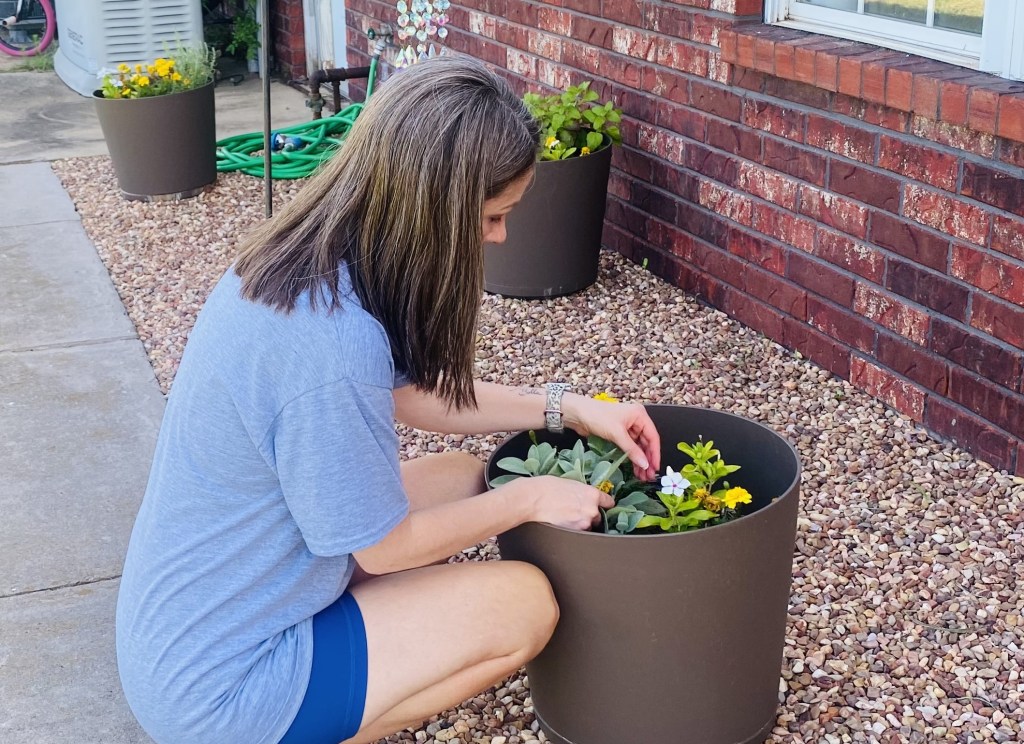
Brett builds custom knives, hunts, and golfs. I love to care for our animals, tend my garden, and paint when I can.
We tag-team so we each get time. Some days it’s just a few minutes. Other times, it’s a few hours.
But those moments matter. They remind us we’re still here.
Final Thoughts
It’s not perfect. It’s not balanced. But it’s real.
Healing and surviving haven’t come just from therapy. It comes from support. From small moments of peace. From people who don’t try to fix it- they just stay close and love us anyway.
If you’re parenting a child with complex trauma, you are not alone.
And if no one has told you this lately, what you’re doing matters. Even if no one sees it. Even if it feels like you’re falling apart.
You’re not. You’re surviving. You’re healing.
One breath. One choice. One moment of peace at a time.
 Loving Bella
Leave a comment