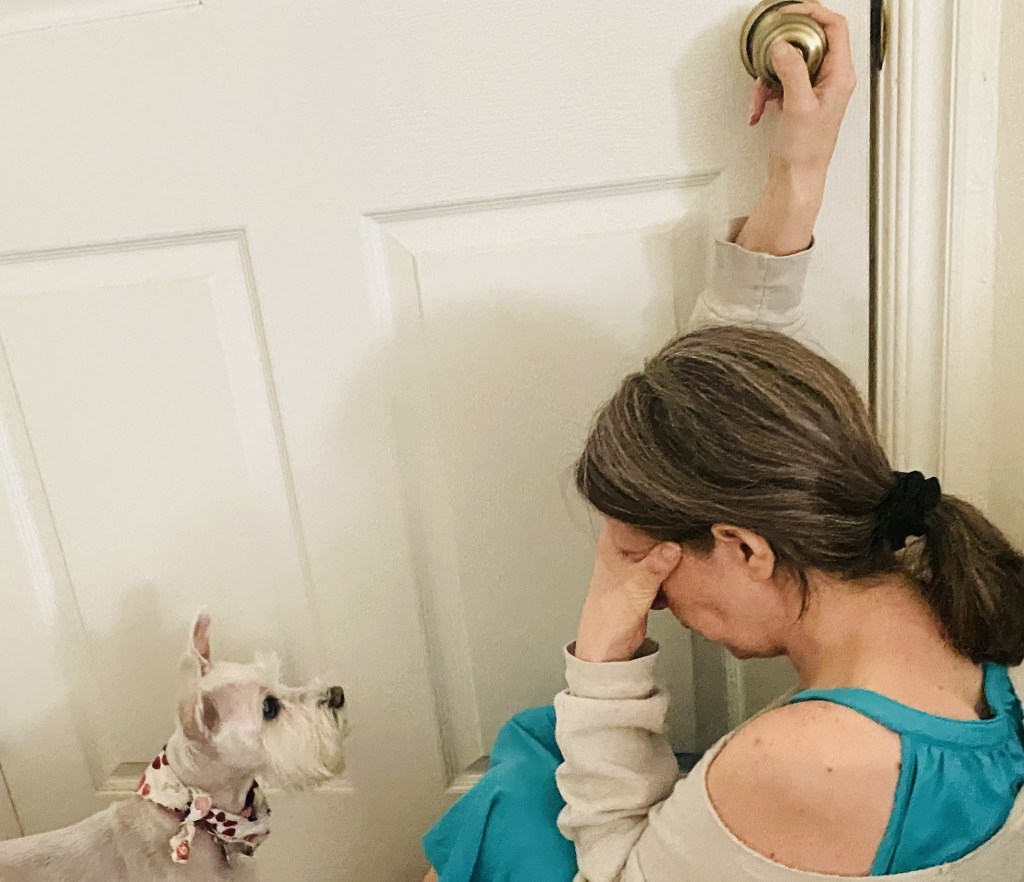
Conversations are happening about children who hurt their parents. But most of those conversations are about teens or adult children. There are articles. Support groups. Resources.
Almost no one talks about what it’s like when the child is ten. Or eight. Or six. Or four.
But it happens.
It’s happening in our home.
This Isn’t a Rant
This is not an angry rant about my child.
It’s not the blame game.
This is a cry for recognition.
A plea for compassion.
Parents are being physically hurt, screamed at, manipulated, and emotionally torn apart by very young children.
I Love My Daughter
We love our daughter deeply. We’ve done everything we can to help her—therapy, books, specialists, and a complete shift to therapeutic parenting.
But Reactive Attachment Disorder (RAD), PTSD, ODD, and other diagnoses don’t always show up gently.
Sometimes they show up in a rage.
👉 If you want to learn more about what RAD looks like in our home, click here.
They show up in the screaming.
The hitting.
The kicking.
The broken objects.
The lies.
The threats.
The rejection of every ounce of love and connection you offer.
When You Say It Out Loud
If you speak this truth out loud—especially about a young child—most people don’t believe you.
They turn away with judgment.
They ask what you’re doing wrong.
They suggest a different parenting style.
They tell you to discipline her.
And my personal favorite:
“Have you tried a sticker chart?”
Please. Don’t get me started on the sticker charts.
This Is Abuse
A parent can be abused by their young child.
That doesn’t mean the parent is bad.
It doesn’t mean the child is bad either.
It means the child is hurting—so deeply they can’t express it.
And that pain gets poured out on the person trying to love and care for them.
📌 Sidebar: A Note to Professionals and Family Who Just Don’t Get It
You might see a sweet child. You might hear her say all the right things in public. You might think, There’s no way it’s that bad.
But you’re not here when the rage starts over brushing her teeth or helping clean up the kitchen.
You’re not here when she hits me, spits, screams, lies, and turns everything upside down—again and again.
Please don’t assume we’re too strict. Or too soft. Or just need a new parenting strategy.
We’re raising a child with trauma. With deep wounds she can’t even name. And that pain spills out onto us daily.
We don’t need judgment. We don’t need one more “have you tried…” suggestion.
We need believers. We need people who show up. We need support that doesn’t come with strings attached.
If you’re a professional, believe what we tell you, even if she shows up regulated and charming in your office once a week.
If you’re family, check in. Drop off a Dr. Pepper. Ask how we’re doing, not just how she is.
We are doing the best we can. We love our daughter deeply. But that doesn’t mean this isn’t breaking us daily.
Your belief in us matters.
Your support helps us keep going.
What This Abuse Looks Like
- Being kicked, hit, scratched, or bitten during a rage
- Being screamed at, cursed at, or called names for setting a boundary
- Living on edge, not knowing what will set off the next explosion
- Feeling isolated or judged by others who don’t understand
- Being emotionally manipulated by a child twisting the truth to gain control
- Feeling too afraid to ask for help, because it might look like failure
Who Protects the Parents?
We’re told to protect our children from anyone who hurts them.
But who protects the parents when it’s the child who’s doing the hurting?
Here’s the worst part:
Nothing can really be done.
Services are limited.
Some therapists don’t believe you.
DHS wasn’t built for this, and they may not be understanding or believe.
And you can’t exactly call 911 and say, “My ten-year-old is abusing me.”
Most people don’t even have the language for what’s happening.
To the Parents in the Middle of It
This is for the mom who locks her bedroom door at night, hoping to get a little sleep after a long rage.
For the dad with bruises on his arms from trying to keep his daughter from destroying the kitchen.
For the families wondering if they—and their other children—will make it through.
For the parents who love so deeply… and still hurt daily.
You Are Not Alone
You’re not crazy.
You’re not failing.
You’re not alone.
This is real.
And we need to be talking about it.
 Loving Bella
Leave a comment