A Glimpse Into Our World
In our house, trauma lives under the surface.
Not every day is violent, but every day we’re on high alert.
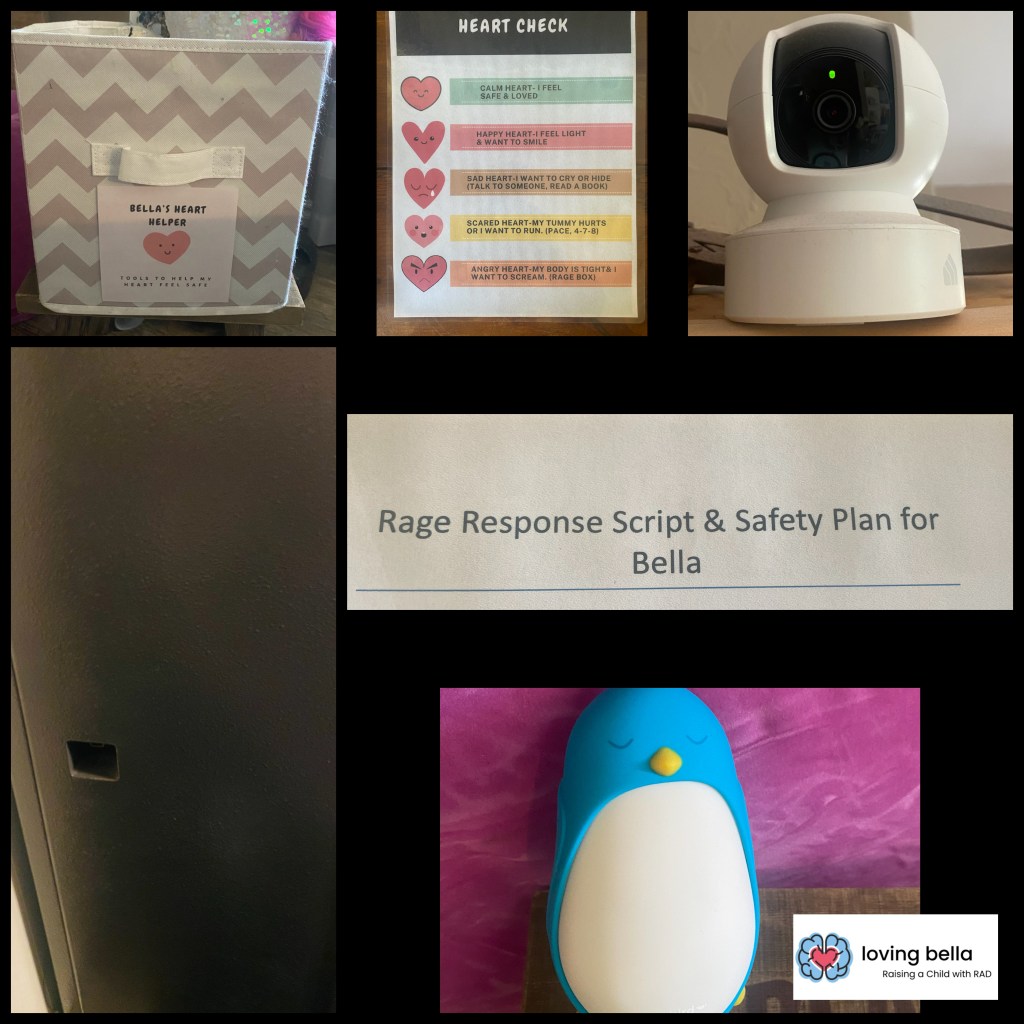
We hide scissors so they aren’t grabbed during a rage.
We have cameras inside—not because we’re paranoid, but because we have to protect all of us.
Our bedroom door stays locked at night, just so we can sleep.
I’ve learned how to speak calmly, even when I’m terrified.
I know how to clear out a whole room in five seconds flat.
That’s part of our safety plan.
When I say “rage,” I don’t mean a tantrum or meltdown.
I mean survival.
Her brain gets hijacked.
She sees everything as a threat.
Her rages shake the walls of our house.
If you’ve never seen one—it will terrify you.
In our home, we use therapeutic parenting.
We co-regulate.
We set boundaries.
We provide structure.
We use attachment activities.
We lead with empathy.
We do restitutions.
We work on connection—always.
What Our Family Wishes You Knew
1. We’re not being controlling—we’re parenting in a crisis.
When you see us constantly redirecting or saying no to things other kids are allowed to do, it’s not about power.
It’s not about control.
And it’s definitely not about being mean.
What might look strict—or even harsh—is actually us trying to prevent an outburst.
We’re stopping a trigger in its tracks.
We’re working to keep our child regulated.
If we let it slide, the explosion will come later.
2. What works for your child doesn’t work for ours.
Sticker charts?
Time-outs?
Taking things away?
None of it works here.
Not for kids with early trauma and attachment disorders.
Trust me—I’ve tried them all.
Our parenting has to be relational.
It has to be brain-based.
It has to be therapeutic.
We aren’t refusing to discipline.
We’re choosing to parent for healing.
We use repair and restitution.
We teach empathy through acts of kindness.
That’s what discipline looks like in our home.

3. Our home doesn’t look normal—and that’s because of safety.
Yes, we have cameras.
Yes, our bedroom stays locked.
Yes, there are alarms on doors.
It sounds extreme—but every single one of those things is there because something already happened.
Something scary.
Something we had to learn from.
The alarm isn’t there to trap her.
It helps her feel safe.
And it tells us when she’s out of bed, so we can protect her and everyone else.
What looks strange to you is what keeps our family safe.
These measures aren’t overreactions.
They are our reality.
4. We say no to sleepovers, birthday parties, and playdates—not because we’re mean.
We’re not isolating her.
We’re protecting her.
We’re protecting others.
Social settings can dysregulate her for hours.
Sometimes even days.
New people.
New rules.
New places.
They can all trigger big trauma responses.
They often lead to full-blown rages.
We’re not trying to ruin the fun.
We’re trying to avoid the chaos.
We’re trying to prevent the shame spiral she’ll fall into afterward.
Because when the rage ends—she feels it all.
The regret.
The embarrassment.
The self-hate.
We’re not being overprotective.
We’re trying to protect her nervous system.
Her safety.
Her healing.
5. Our child’s behavior in public isn’t the same as at home.
Yes, she’s sweet and charming with you.
Yes, she behaves at school.
She says all the right things.
But the moment she gets in the car—or walks into our house—everything changes.
That’s common with RAD.
They save their biggest feelings for their caregivers at home, mom and dad.
They can be manipulative.
So while you’re seeing a polite, regulated child, we’re the ones helping her process her trauma.
And with that comes the dysregulation.
What you see in public isn’t the full story.
Please don’t assume you understand based on a couple of hours.
There’s so much more happening than what you see.
What You Don’t See in Public
When we do go out, I work hard to keep my voice calm and steady.
I position my body between her and anything that might set her off.
If someone offers her something—or she asks for something—I might say no.
Not to be cruel.
Not to be controlling.
But because I know that one little thing could unravel the entire day.
Maybe it has too much sugar.
Maybe it contains red dye, which almost always leads to a rage.
Maybe she already had a snack and she’s testing boundaries.
You might see me take something away.
You might hear me say no to a snack.
You might think I’m being harsh.
But what you didn’t see was five minutes earlier—she was hitting me in the bathroom.
What you don’t see is the delicate structure I’m working so hard to hold together.
Because if I don’t, we might not make it through the next hour.
What It Feels Like to Be Judged
The hardest part isn’t the raging.
It’s not the sleepless nights.
It’s not even the fear.
It’s not the friends and family that have slowly disappeared from our lives.
It’s the looks.
The whispers.
The sideways glances from other moms.
The raised eyebrows.
I see them.
In stores.
At church.
Even at my workplace.
People think I’ve lost control.
Some think I’ve lost my mind.
But this version of me?
It’s who I had to become.
To keep my child safe.
To keep your child safe.
To keep everyone safe.
The Emotional Toll
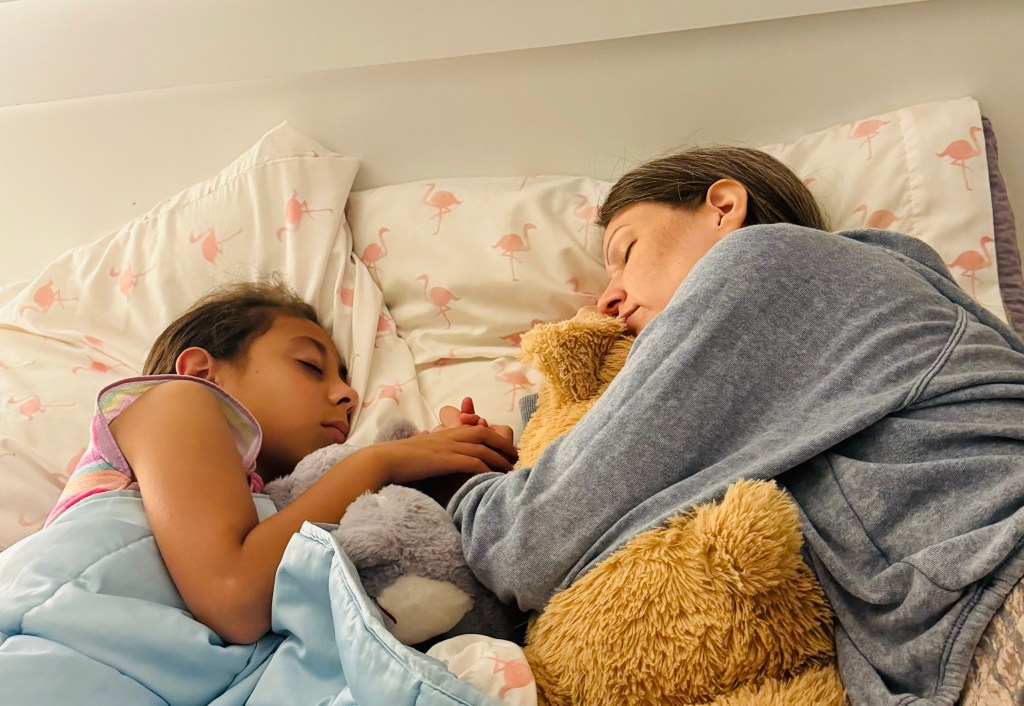
I’m still a mom.
I still tuck her in at night.
I still hold her hand—when she lets me.
Behind closed doors, I cry.
After being screamed at, hit, and spit on—I cry.
I love her deeply.
Even on the hardest days.
But sometimes I fall into bed feeling like I’ve failed.
Because no one really gets it—unless they’ve lived it.
Therapeutic Parenting Isn’t Weak. It’s Brave.
This kind of parenting means I connect when I want to correct.
I co-regulate when I want to yell.
I offer compassion when I’m barely holding it together.
I forgive—even when there’s no apology.
And I walk away from conversations with people who don’t understand.
Love isn’t always soft.
Sometimes love looks like structure.
Boundaries.
Doing the hard thing—over and over again.
It’s the bravest kind of love I know.
A Note to the Moms Like Me
If you’re parenting like this—we’re in this together.
If you’re exhausted and bruised—I see you.
If you’re cleaning up another rage, locking another cabinet,
or biting your tongue after another comment—
You’re not a bad mom.
You’re a therapeutic mom.
And that’s a big difference.
You’re not alone.
 Loving Bella
Leave a comment